Following our "real content first" principle: a case study appears on this page only when a real project exists and the client has authorized publication. Until then, we show you exactly how engagements work and what a published case will contain — no invented success stories, no filler.
Three engagement models cover most B2B projects. Each row shows the typical product mix involved — the same lines you see across this site.

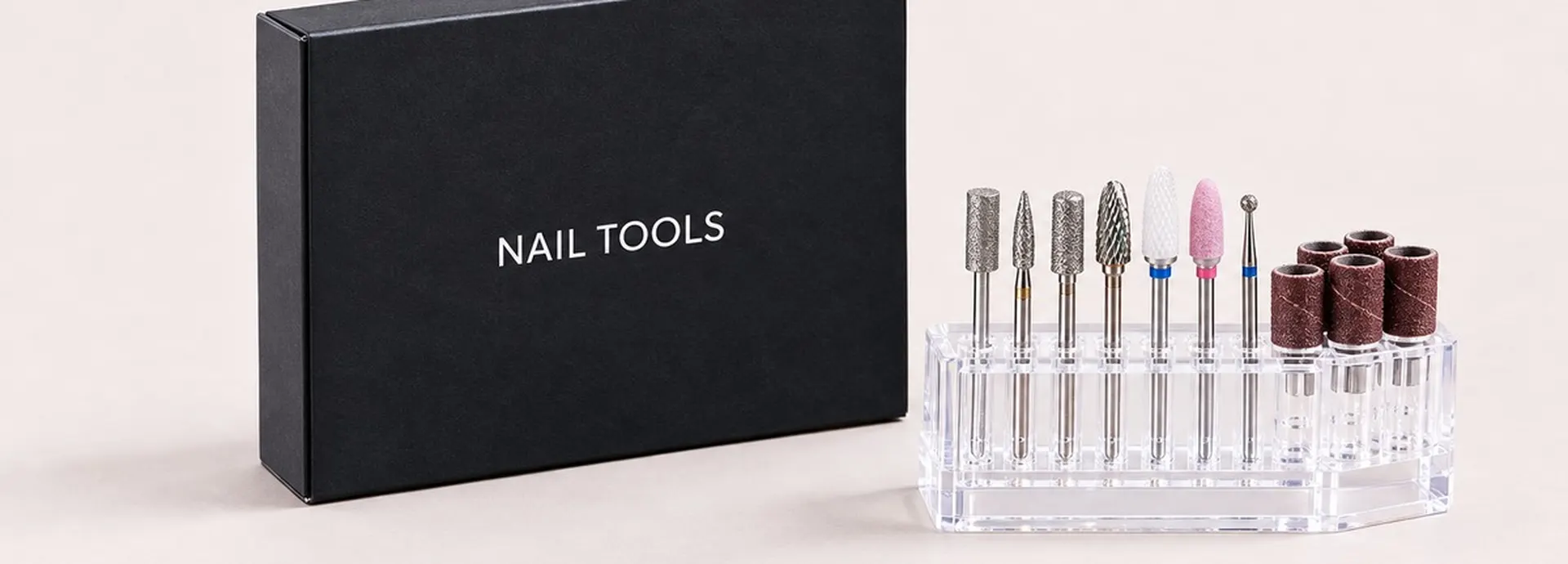
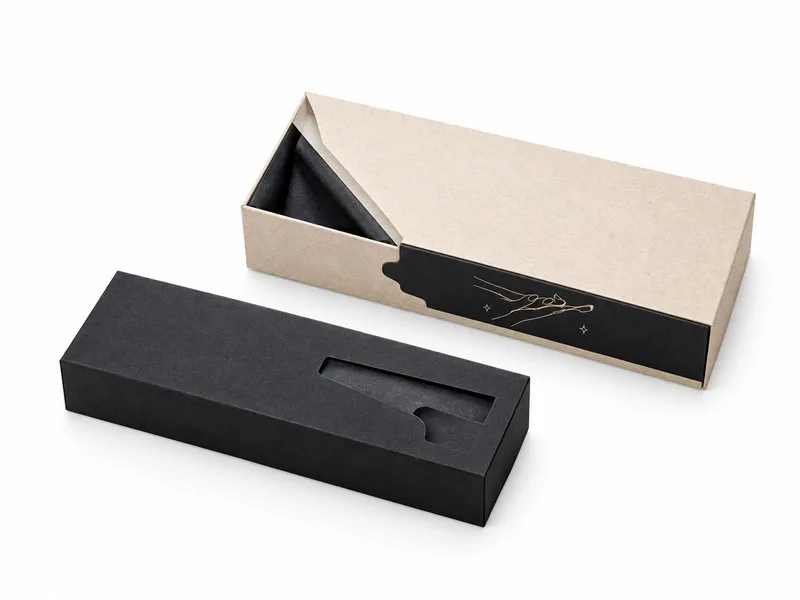
For nail-tool brands building their own label: we supply the product lines and support logo engraving, branded packaging and retail-ready kits. You own the brand experience; we handle supply, specifications and quality control. Scope — logo method, packaging, MOQ — is confirmed per project, and the first production run is signed off against a pre-production sample.
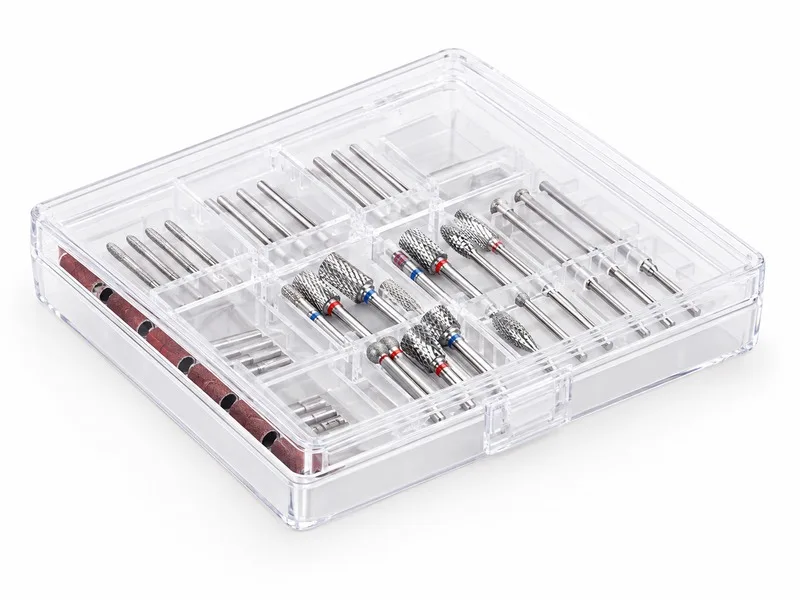
Product mix typically includes: carbide bits, diamond burs and sanding bands under one label.

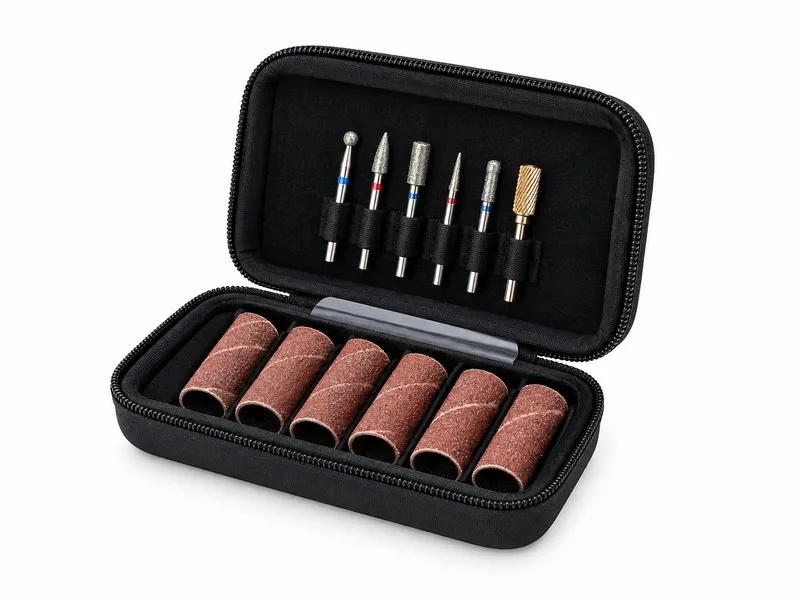
For brands and retailers launching a boxed kit: we assemble assorted bit + abrasive sets into a retail-ready case with custom inserts and branding. Composition is designed around your price point — salon starter sets, gift assortments or pro back-bar kits — and validated with a sample before the production run.
Typical pairing: kits & sets + sanding discs + polishing tools.

For importers and regional distributors: stable multi-category supply with consistent specifications and repeat-order-friendly product data, so your assortment stays reliable across seasons. Repeat orders run against the same written spec sheets, which is what keeps batch two matching batch one.
See how we organize consolidated orders on the capabilities page.
So you know what to expect — and what to ask of any supplier publishing "case studies".
The real procurement situation: who the client serves, what they needed to stock, and the constraints — budget cycle, market regulations, launch deadline.
What we actually supplied: product mix, grit system, branding and packaging decisions, and the logistics setup — written so another buyer can judge fit.
Measurable results the client agrees to publish: reorder behavior, assortment sell-through, claim rates. Numbers appear only with client approval — never estimated.
Because most "case study" pages are templates dressed up as proof. We would rather show zero real cases than present invented ones — fabricated credentials hurt both sides the moment a B2B buyer asks for a reference call. If you ask, we connect you with a relevant reference directly.
Tell us about your market and product mix — if we build something great together, we can feature it here with your permission.
Start Your Project →How this section works — and how we publish client stories.